
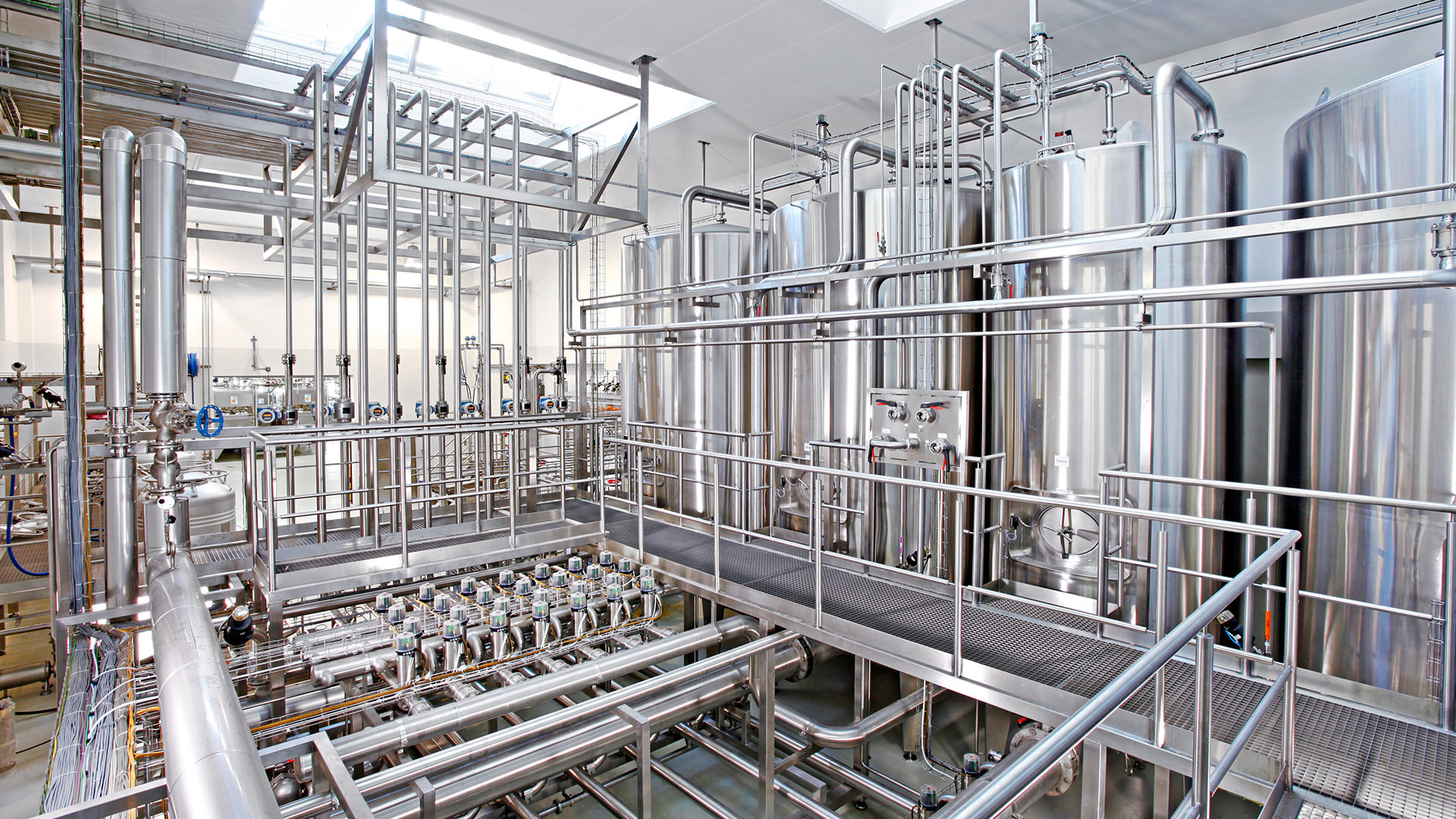
CIP systems and cleaning
Maximum hygiene in production and product safety through efficient system cleaning
Cleaning in Place (CIP) includes all mechanical or chemical systems designed to prepare for hygienic production without dismantling the complete system. Thorough cleaning is essential at the end of a production run and for a product change. Defining the right Cleaning in Place (CIP) solution for your production is crucial to the success of your production process. Inadequately cleaned systems pose a significant risk of cross-contamination, microbiological problems, downtime or product losses. Producers can achieve high product quality and safety, longer production times, minimal downtime for the cleaning process and environmental efficiency with a CIP system that is perfectly tailored to their requirements.
Our approach to your cleaning systems
Modern, fully automated CIP systems
With our cleaning systems, we focus on fully automated, parameter-controlled and validatable cleaning processes. Both the microstructural properties of a surface and the material used influence the cleaning quality of product-contact areas can be cleaned and their hygienic status during operation. Smoother or appropriately treated surfaces generally lead to better removal of residues. Rough and poorly structured materials usually complicate cleaning processes. Ruland’s engineers consistently apply this knowledge in hygienic plant design and always consider the overall production concept as hygienic process reliability, resource efficiency and economic stability also play a key role in CIP processes.
Custom-designed CIP systems
Flexible support for production
As a customer, you will not receive a standard modular system from Ruland. Our CIP systems provide optimal technical and economic support to your production. Our modular plant design ensures maximum flexibility for future projects. Thanks to individual systems, variable tank configurations and the free scalability of volumes and process circuits, our CIP systems grow with your production. They can be adapted to new production requirements at any time. This also makes the integration of additional product lines much easier. In the event of future changes in production line or portfolio, you will remain flexible and will avoid cost-extensive investments in new CIP systems.
Lost CIP systems
Disposable strategy for hygienic robustness
In open-loop CIP systems, the cleaning media used circulate once through the system before being completely drained off. This process does not require recovery tanks or treatment steps. The cleaning process is typically divided into several sequential steps, such as pre-rinse, alkaline cleaning, intermediate rinse, acid phase and final rinse. After use, all media flows are directed straight into the designated disposal or wastewater treatment systems.
The high level of hygienic robustness is a key advantage of this system. The exclusive one-way flow of the cleaning media reliably minimises the risk of carry-over or cross-contamination. In terms of design, a comparatively simple structure, which keeps investment costs low, characterizes the closed-loop CIP system. At the same time, the absence of a media circuit leads to increased consumption of water, chemicals and energy. In facilities with a high cleaning frequency, this results in noticeably higher operating costs in the long term.
This approach is particularly suitable for production environments where a clear separation of product batches or formulations is essential. This is a decisive advantage, especially in sensitive sectors such as infant formula, pharmaceutical suspensions or cosmetic formulations with a high allergy potential.
The optimised CIP combination
Reusable systems for cleaning
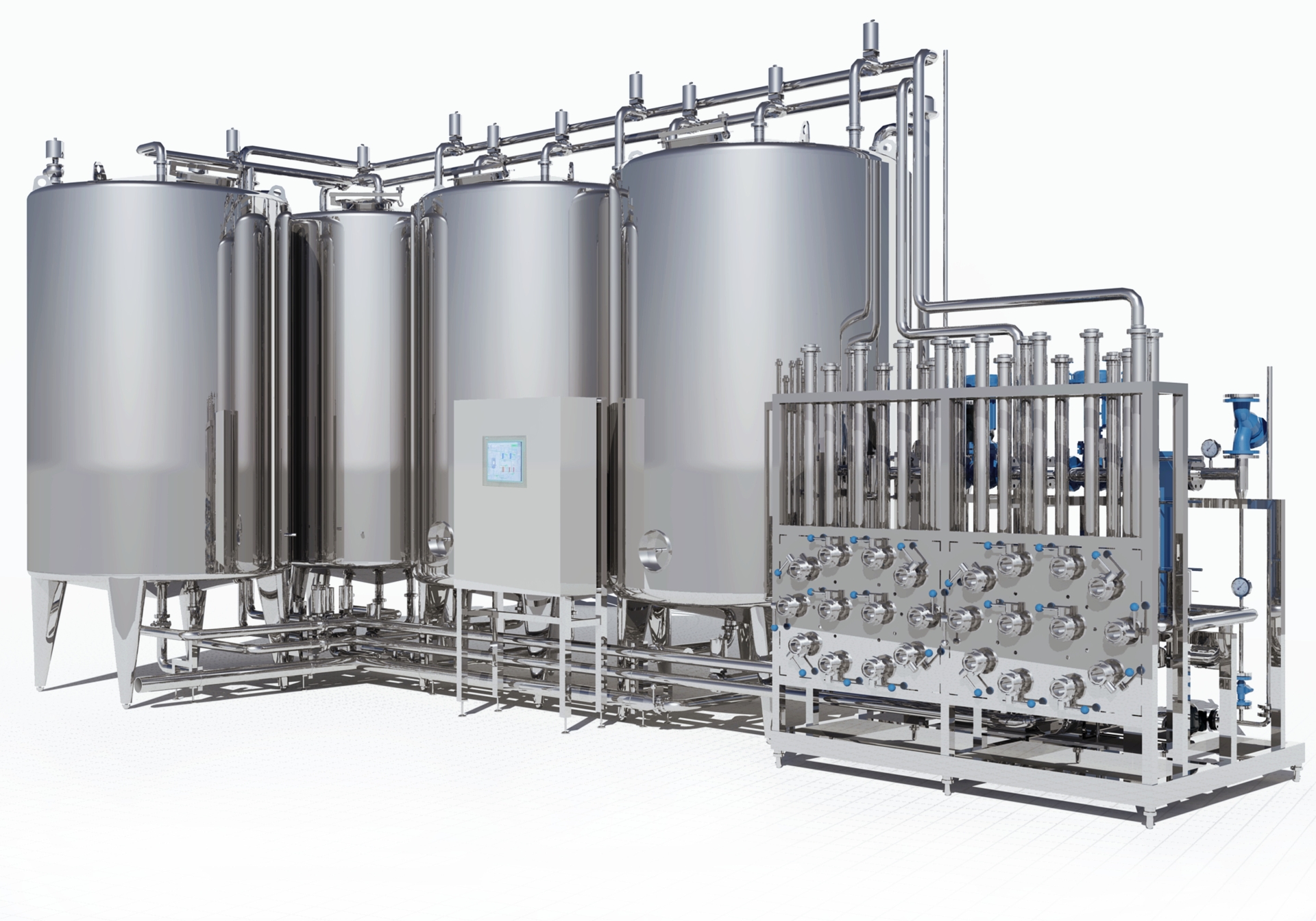
Reusable systems are an optimised CIP combination of lost-in-process cleaning and batch cleaning. In this established CIP process, the cleaning media are collected, treated and made available for multiple cleaning cycles. Ruland uses modular centralised and decentralised CIP systems with multi-chamber or stack tanks and flexible circulation systems. This allows us to easily adapt the cleaning process to your application and your product. A key feature of these cleaning systems is the use of several specialised tanks containing different cleaning media:
- a cleaning solution tank for the main cleaning,
- a separate acid tank for removing mineral deposits,
- a collection tank / storage tank for recovered rinse water,
- and a fresh water tank.
Reliable CIP function and effectiveness
Technical effort that pays off
To ensure this CIP cleaning process functions reliably, consistent monitoring is required. Cleaning solutions are refreshed at set intervals to ensure their cleaning performance. Sensors prevent the recirculation of unwanted contaminants. Multiple tanks, extensive valve technology and additional measuring points increase both the capital costs and maintenance requirements. Your advantage as an operator lies in the significant savings in water, chemicals and energy achieved through the reuse of previously treated media. This is particularly beneficial in continuously operated or large-scale production environments. Maintaining the media temperature also reduces the energy required for heating phases and shortens the overall cleaning time. This has a direct impact on overall plant effectiveness and the operating cost structure, and offsets the higher investment costs in the long term.
SIP – Sterilisation in Place
Sterilisation using steam
SIP (Sterilisation in Place) is an additional process step that is essential for the manufacture of sterile products. This process step can follow CIP cleaning. Just as with CIP, the SIP process is carried out without dismantling the entire system. During sterilisation, saturated steam at > 100°C and at a defined pressure, usually 1.5–3 bar gauge, is introduced into the system for a specified period. This ensures complete sterilisation of surfaces in contact with the product within the system and thus microbiological safety. The process is carried out quickly and efficiently. Continuous monitoring of parameters such as temperature, pressure and sterilisation duration is essential for SIP sterilisation. This allows the sterile production of food, pharmaceuticals and biotechnological products to be reliably documented.
A basic prerequisite for optimal cleaning: hygienic design
Hygienic plant design applies not only to CIP processes
In addition to the efficiency of the cleaning processes, the design of the systems ensures production that is not only microbiologically safe but also reproducible and compliant with regulatory requirements. At Ruland, we adhere to the EHEDG’s hygienic design principles. Minimising hygienic risks through the appropriate choice of materials, defined surface qualities and a design free of dead spaces is our guiding principle for plant design. This hygienic plant design is continued in the media piping.
Automation as a key
to the reproducibility and validability of cleaning processes
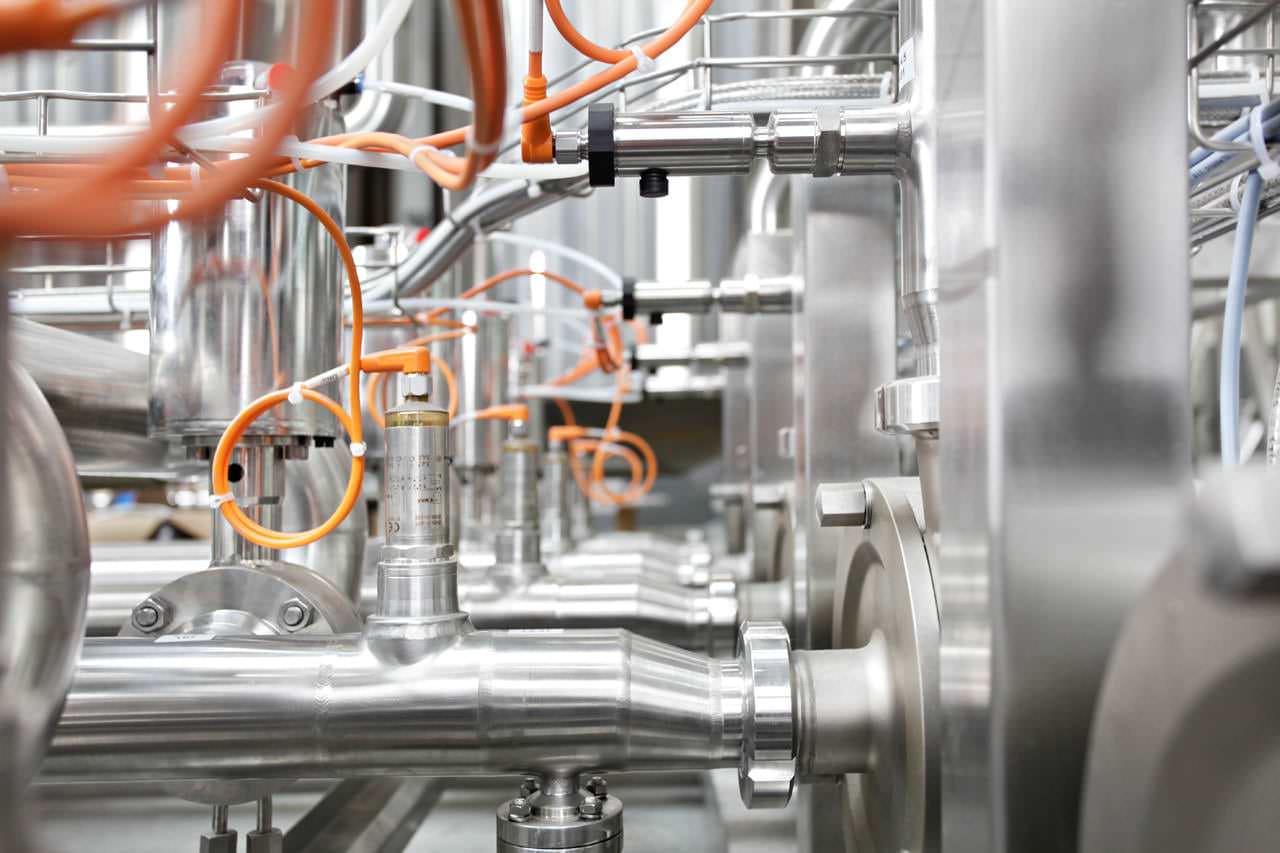
Our CIP systems operate fully automatically. They record all process parameters in comprehensive documentation. This includes among others:
- Temperature profiles of all cleaning phases
- Conductivity for monitoring cleaning agent concentrations
- Flow rates, pressure profiles and pH values
- Formulation and batch management
- Consumption of water, steam, alkalis and acids
This data is stored in a tamper-proof manner within PLC, control system or SCADA environments. It forms the basis for both validation and traceability — key requirements, particularly in regulated sectors such as cosmetics, food and pharmaceuticals. Higher-level, customised software systems such as our Ruland Process Management System (RPMS) optimise manufacturing processes and production efficiency. RPMS covers the entire production process and takes over the control, monitoring and documentation of all production procedures in a modular manner. All cleaning processes are stored as recipes and are integrated directly into production. At the same time, RPMS reduces risks arising from operator error or inconsistent procedures significantly, leading to stable, consistent and hygienically sound process results. The increased process reliability has a direct impact on plant availability: fewer unplanned downtimes mean more valuable production time. In the long term, our customers also benefit from efficient processes, reduced waste and optimised cleaning cycles.
CIP/SIP systems are an integral part of modern production
Different systems for hygienic status in your process
Modern CIP/SIP systems are a strategic component of modern production processes. They make a significant contribution to product safety, compliance with regulatory requirements and economic stability in production across a wide range of industries. At Ruland, you receive:
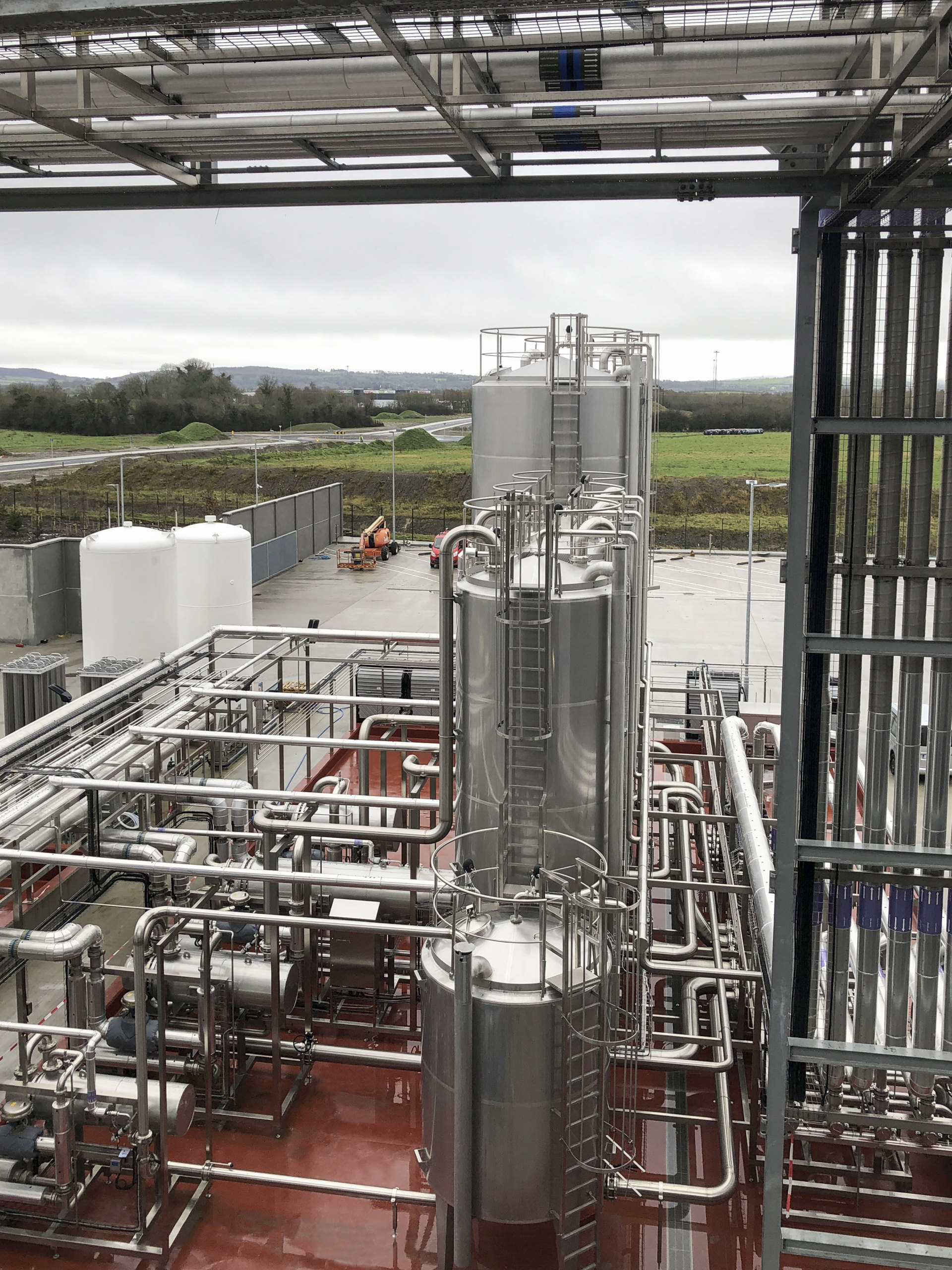
CIP/SIP systems | Centralised and decentralised CIP systems | Compact CIP systems | Classic multi-tank and multi-circuit systems | Tower CIP systems for outdoor installation | Mobile CIP systems | Tank storage for cleaning concentrate | Whirlwind system for pushing out and cleaning pipes | Lost cleaning | Stack cleaning
Let’s take a look at your cleaning process in your facility. We look forward to working on your project.